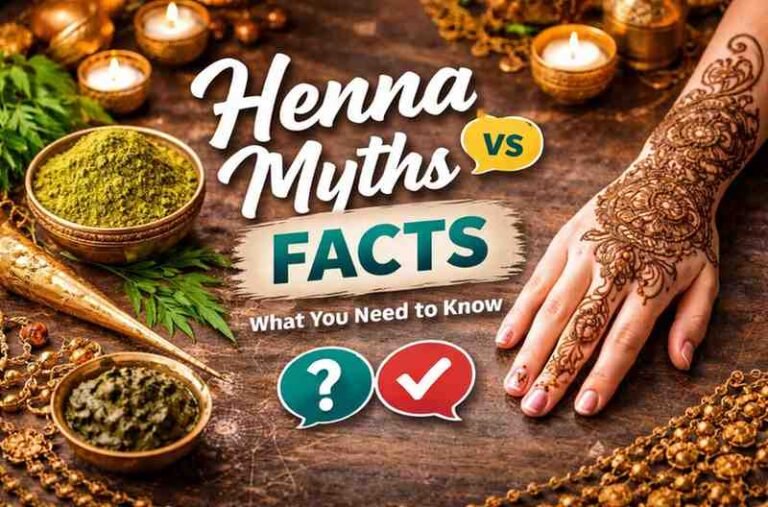
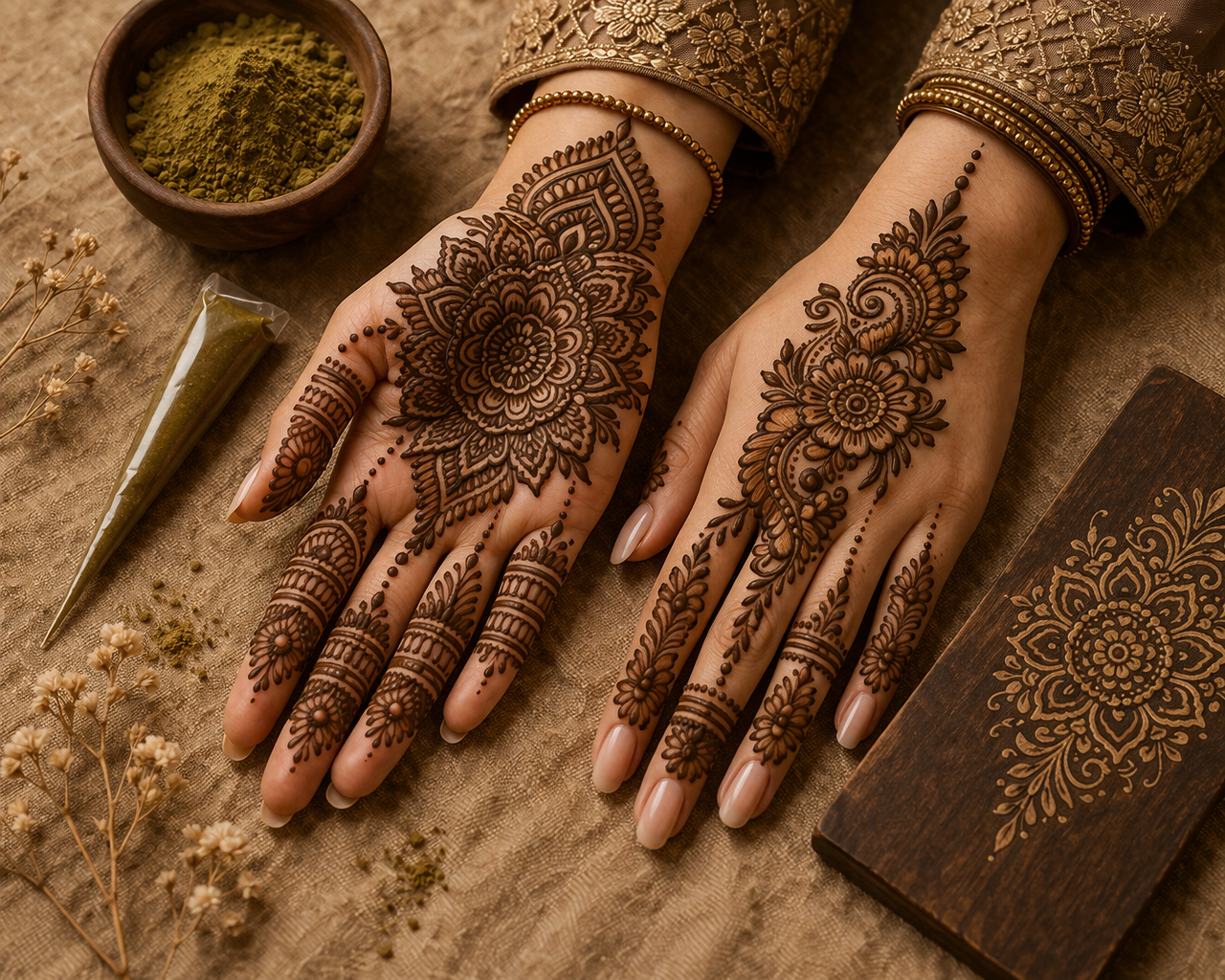
Henna powder is far more than a natural dye—it is a symbol of culture, celebration, and centuries-old_,: traditions. Across continents, this plant-based art form has played a meaningful role in rituals, beauty practices, and healing. From intricate bridal designs in South Asia to bold geometric patterns in Africa, henna reflects the identity and heritage of diverse communities.
In this SEO-friendly guide, we explore the cultural significance of henna powder across the globe, its historical roots, traditional uses, and why it continues to thrive in modern times.
The Origins and History of Henna
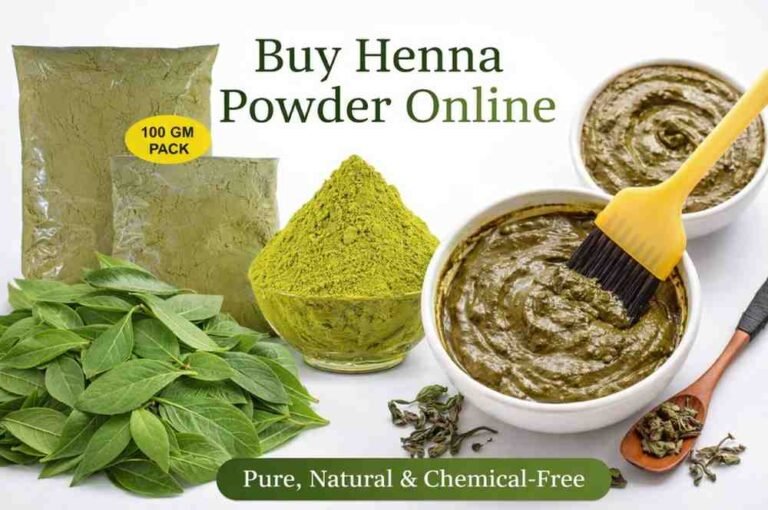
Henna comes from the leaves of the Lawsonia inermis plant, which has been used for over 5,000 years. Ancient civilizations in Egypt, India, and the Middle East valued henna for its cooling properties, natural dye, and spiritual symbolism.
Historically, henna was used to:
- Adorn brides and royalty
- Celebrate festivals and sacred occasions
- Treat skin conditions and cool the body in hot climates
Over time, henna evolved into a global cultural art form with unique regional styles.
🇮🇳 Henna in India & Pakistan: A Symbol of Joy and Prosperity
In South Asia, henna (or mehndi) is deeply tied to weddings and celebrations. Bridal henna ceremonies are vibrant pre-wedding rituals where intricate designs are applied to the bride’s hands and feet.
Cultural Significance:
- Represents love, prosperity, and good fortune
- Believed to protect against evil spirits
- Darker stains are often associated with strong marital bonds
Popular Designs:
- Paisleys, florals, mandalas
- Hidden initials of the groom
- Detailed storytelling patterns
Henna is also widely used during festivals like Karva Chauth, Diwali, and : Eid.
Henna in the Middle East: Elegance and Spiritual Expression
In Middle Eastern cultures, henna is an essential part of religious and festive _ occasions such as Eid celebrations and weddings.
Key Features:
- Bold, flowing floral patterns
- Less dense than Indian – designs
- Focus on elegance and symmetry
Henna nights (similar to South Asian mehndi ceremonies) are important social gatherings filled with music, dance, and blessings.
Henna in North Africa: Bold Patterns and Healing Traditions
In countries like Morocco, Sudan, and Egypt, henna carries both cosmetic and medicinal value.
Cultural Uses:
- Applied during weddings and childbirth rituals
- Used for spiritual protection and blessings
- Believed to have healing and cooling properties
Design Style:
- Geometric shapes and tribal patterns
- Strong lines and symbolic motifs
Henna is also used on hands, feet, and sometimes hair for nourishment and colors.
Traditional and Modern Uses of Henna Powder
Henna continues to be versatile across cultures, blending tradition with modern beauty trends.
Traditional Uses:
- Bridal body art
- Religious ceremonies
- Natural medicine
Modern Uses:
- Temporary tattoos
- Hair coloring and conditioning
- Organic beauty treatments
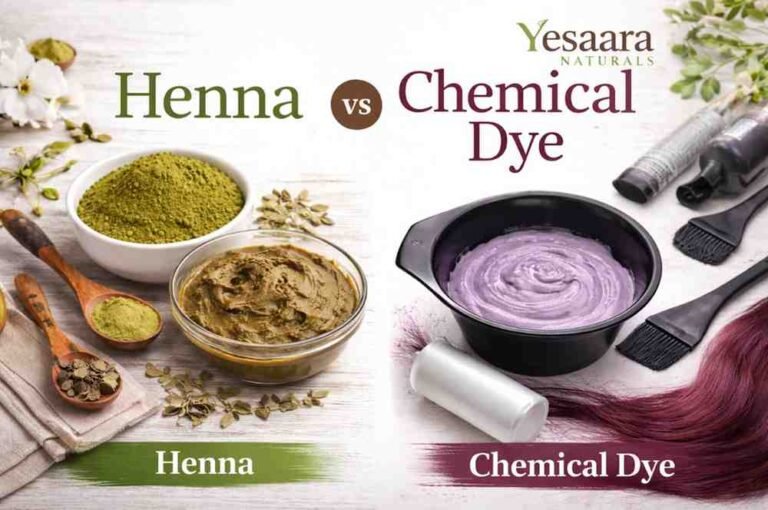
Its natural composition makes it a popular alternative to chemical-based products.
🇮🇳 Best Henna Powder Varieties in India
India is one of the largest producers of high-quality henna. Here are some of the most sought-after types
Sojat Henna Powder – Premium Quality
- Sourced from Sojat, Rajasthan
- Known for deep color and fine texture
- Ideal for both hair and body art
Rajasthani Henna Powder – Rich Heritage
- Bright reddish stain
- Long-lasting results
- Reflects traditional craftsmanship
Marwari Mehndi – Artistic Excellence
- Made with natural blends
- Known for intricate and symbolic designs
- Popular in traditional Rajasthani art forms
Choosing Safe and Natural Henna
When selecting henna powder, always ensure:
- It is 100% natural and chemical-free
- Free from synthetic dyes or preservatives
- Fresh and finely sifted for best results
This helps avoid skin irritation and ensures a rich, long-lasting stain.
Why Henna Still Matters Today
Henna is not just decoration—it is a cultural expression passed down through generations. Whether used in weddings, festivals, or self-care routines, it connects people to their roots and traditions.
Its enduring popularity lies in:
- Natural and safe application
- Cultural richness and symbolism
- Artistic and personal expression
Frequently Asked Questions (FAQs)
What is henna powder?
Henna powder is a natural dye made from dried leaves of the henna plant, used for body art and hair coloring.
What is the cultural significance of henna?
Henna symbolizes joy, prosperity, protection, and celebration across many cultures.
Is henna safe for all skin types?
Natural henna is generally safe, but always do a patch test to avoid allergies.
How long does henna powder last ?
On skin, it lasts 1–3 weeks depending on care and skin type.
Can henna be used for hair?
Yes, it is widely used as a natural hair dye and conditioner.
Final Thoughts
Henna powder is a timeless tradition that beautifully blends art, culture, and nature. From Indian weddings to African rituals, its significance transcends borders and generations. Whether you re using it for beauty, celebration, or self-expression, henna remains a powerful symbol of heritage and creativity.