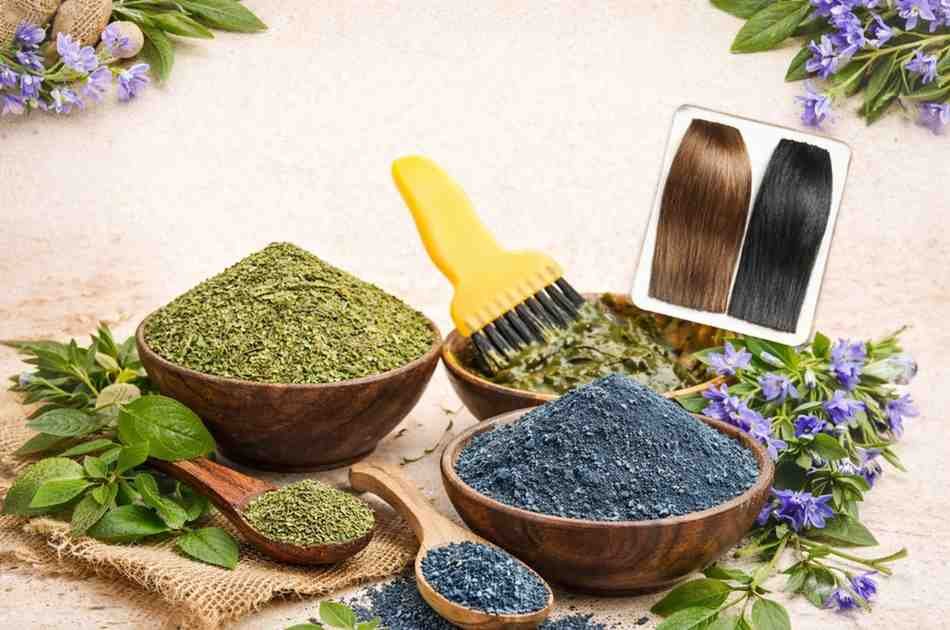
If you’re looking for a safe, natural way to color your hair without harsh chemicals, henna and indigo powder are two of the most trusted options. Used for centuries in traditional beauty routines, these plant-based dyes not only color your hair but also nourish and strengthen it.
What is Henna Powder?
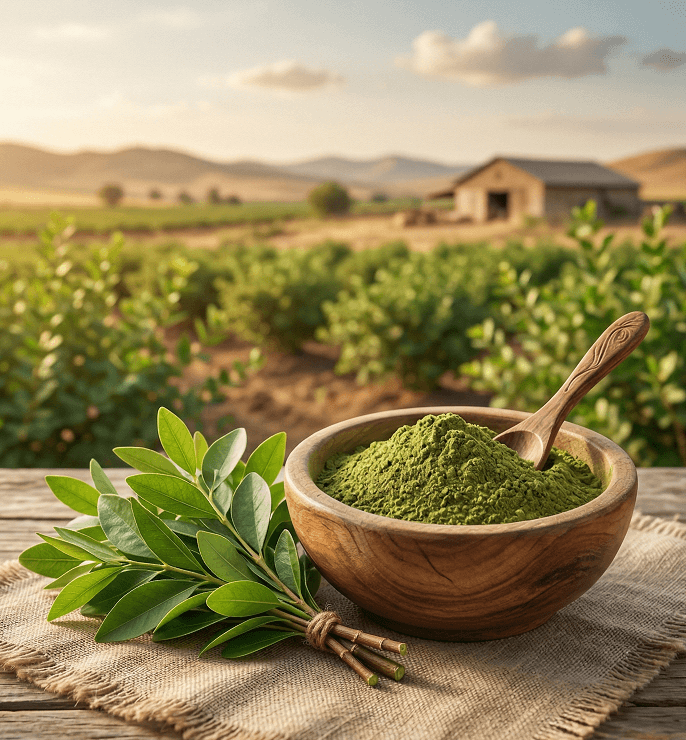
Henna powder is made from the dried leaves of the Lawsonia inermis plant. It gives a natural reddish-orange tint to the hair and is widely known for its conditioning properties. Unlike chemical dyes, henna coats the hair shaft, making it appear thicker, shinier, and healthier.
Benefits of Henna Powder:
- Adds natural shine and volume
- Helps reduce dandruff and scalp irritation
- Strengthens hair roots
- Acts as a natural conditioner
What is Indigo Powder?
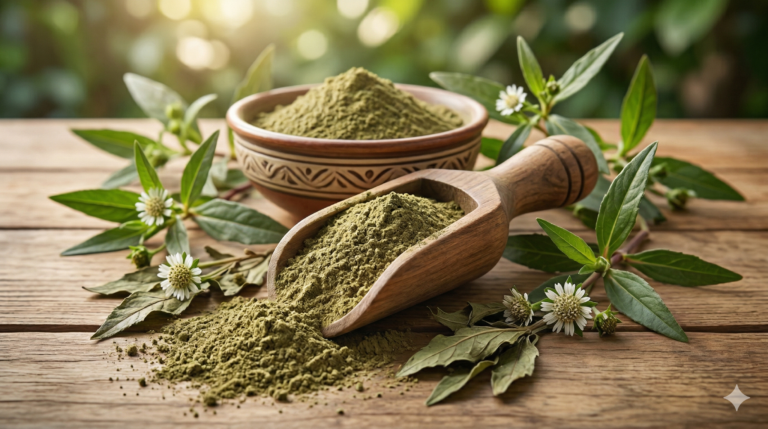
Indigo powder comes from the leaves of the Indigofera tinctoria plant. When used after henna, it produces darker shades like brown or black, depending on the application method and ratio.
Benefits of Indigo Powder:
- Provides natural dark coloring
- Covers grey hair effectively
- Maintains hair health without damage
- Enhances overall hair texture
How to Use Henna and Indigo Together
To achieve natural black or brown shades, henna and indigo are often used in a two-step process:
- Apply Henna First:
Mix henna powder with water and let it rest for a few hours. Apply it evenly and leave for 2–3 hours before rinsing. - Apply Indigo Next:
Mix indigo powder with water and apply immediately after rinsing henna. Leave it for 1–2 hours, then wash thoroughly.
This method ensures better color absorption and longer-lasting results.
Why Choose Natural Hair Dye?
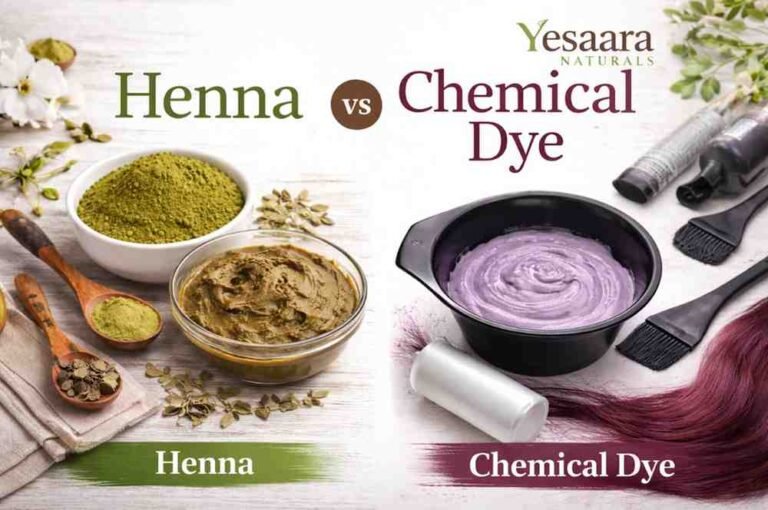
Switching to henna and indigo powder is not just about avoiding chemicals—it’s about embracing healthier hair care. Chemical dyes can strip moisture and damage hair over time, while natural powders nourish your scalp and strands.