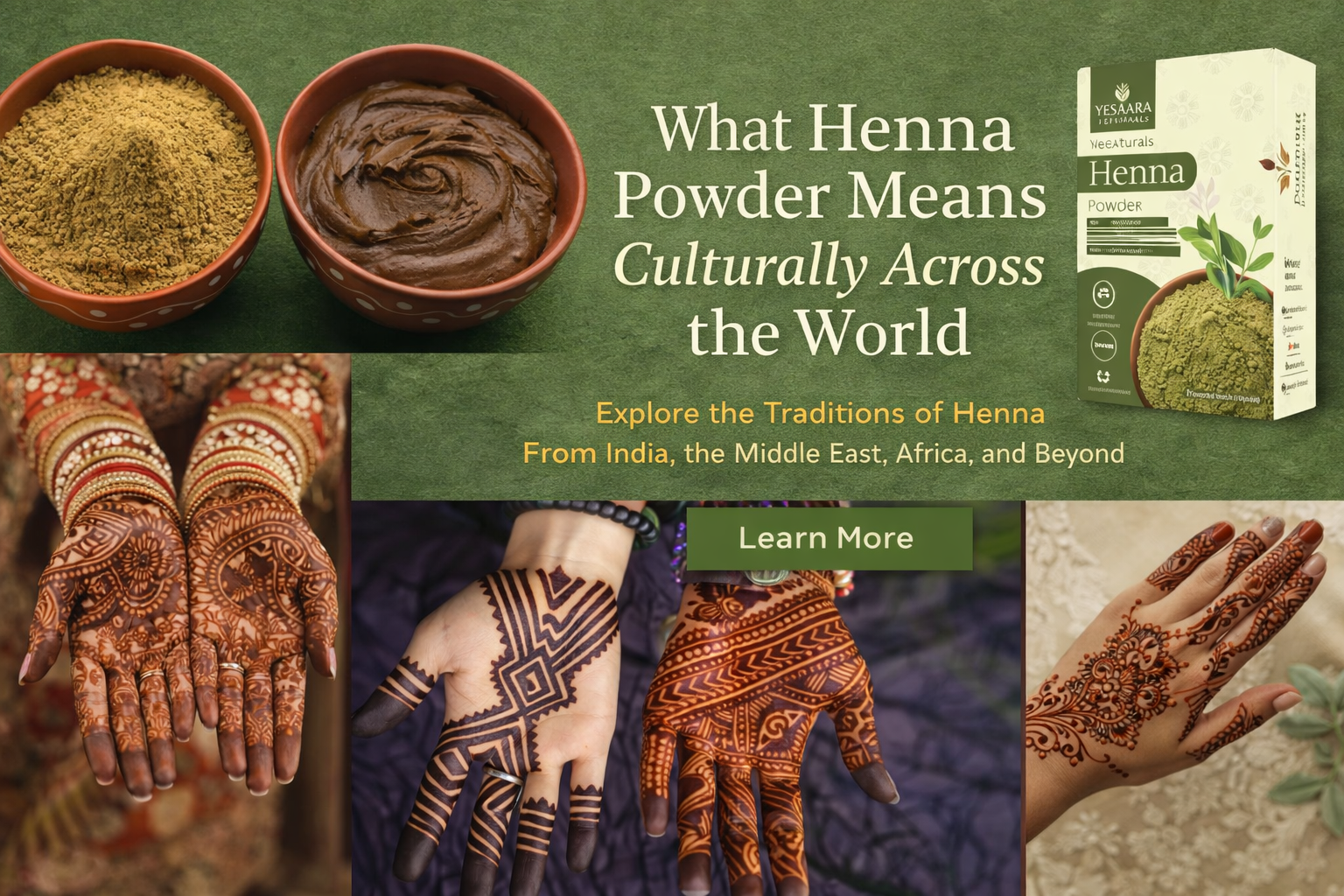
Henna powder is far more than a natural beauty product—it is a powerful cultural symbol deeply rooted in history, tradition, and celebration. Across continents, from South Asia to the Middle East and Africa, henna has played an essential role in rituals, ceremonies, and everyday life for centuries.
The Historical Roots of Henna
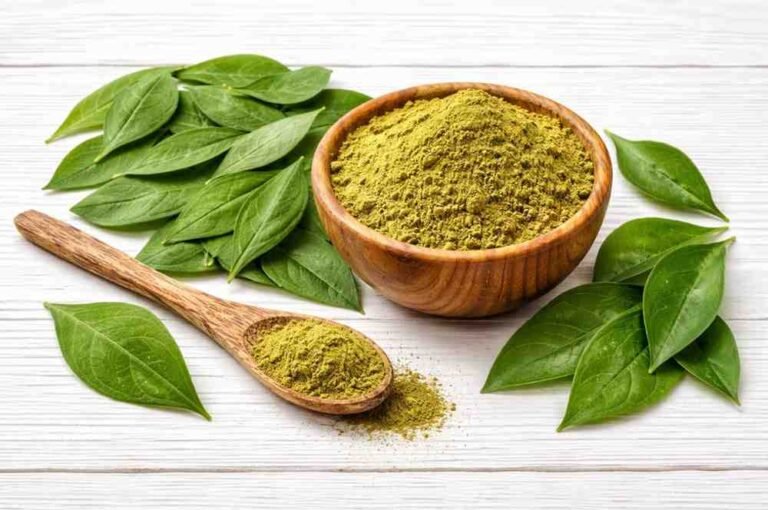
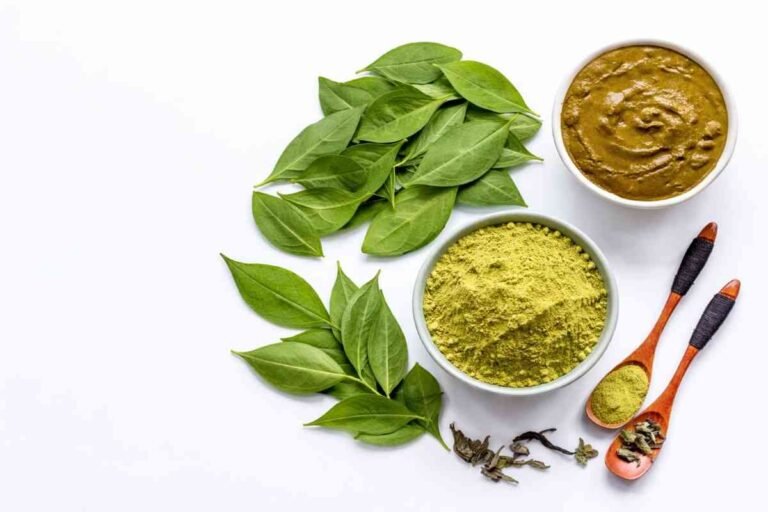
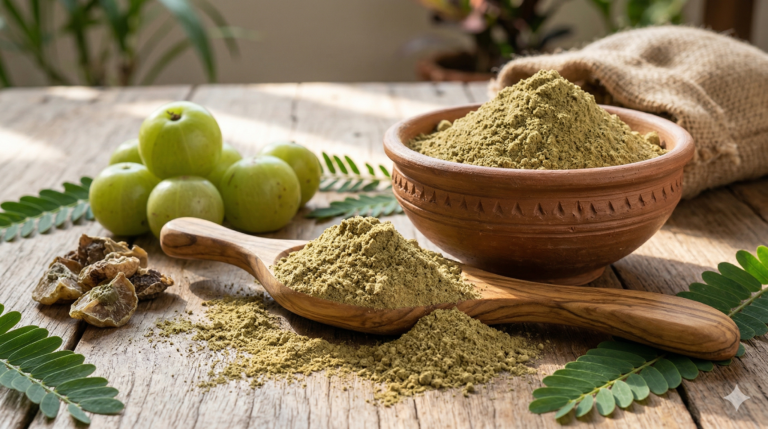
Henna is derived from the leaves of the Lawsonia inermis plant, which has been used for over 5,000 years. Ancient civilizations valued henna not only for its natural dyeing properties but also for its cooling and healing effects.
Historically, henna was used to:
- Adorn the body with symbolic art
- Dye hair naturally
- Treat skin conditions
- Mark special life events
Over time, each region developed its own unique style and meaning associated with henna.
🇮🇳 Henna in India & Pakistan: A Symbol of Love and Prosperity
In India and Pakistan, henna—commonly known as mehndi—is an integral part of wedding traditions.
Key Cultural Significance:
- Applied during pre-wedding ceremonies
- Symbolizes joy, prosperity, and marital happiness
- Believed to protect against negative energy
Bridal mehndi designs are often elaborate, featuring paisleys, florals, and even hidden initials of the groom. The darker the stain, the more it is traditionally associated with love and good fortune.
Henna in the Middle East: Elegance and Spiritual Celebration
In Middle Eastern cultures, henna is closely tied to religious and festive occasions.
Common Uses:
- Celebrations like Eid
- Weddings and family gatherings
- Cultural festivals
Design Style:
- Bold, flowing floral patterns
- Minimal yet elegant compositions
- Focus on symmetry and spacing
Henna is seen as a form of beautification and spiritual expression, enhancing celebrations with grace and tradition.
Henna in North Africa: Bold Art and Healing Traditions
In North African countries like Morocco and Sudan, henna carries both artistic and medicinal value.
Cultural Importance:
- Used in weddings and rites of passage
- Associated with protection and blessings
- Believed to have cooling and healing properties
Design Characteristics:
- Geometric and tribal patterns
- Bold lines and symbolic shapes
- Often applied on hands and feet
Henna in Africa blends beauty with wellness, making it a deeply holistic tradition.
Henna in Rajasthan, India: A Heritage of Craftsmanship
Rajasthan is one of the most famous regions for premium-quality henna.
Sojat Henna Powder
Sourced from Sojat in Rajasthan, this variety is renowned for:
- Deep, rich color
- Fine texture
- Natural fragrance
Rajasthani Henna Art
- Known for intricate detailing
- Inspired by royal culture and traditions
- Includes motifs like peacocks, elephants, and mandalas
Marwari Mehndi
- Highly detailed and symbolic
- Reflects nature and folklore
- Represents cultural storytelling through art
Modern Uses of Henna
Today, henna continues to evolve while staying rooted in tradition.
Popular Modern Applications:
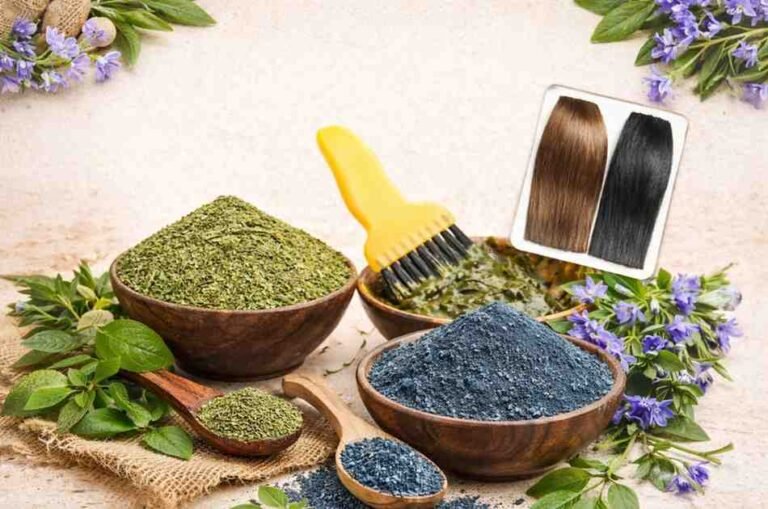
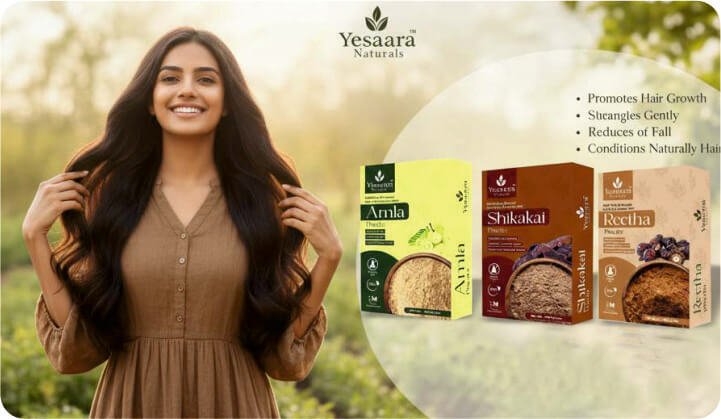
- Natural hair dye alternative
- Temporary tattoos and body art
- Festival and fashion styling
- Organic beauty treatments
Its chemical-free nature makes it a preferred choice for people seeking natural and safe alternatives.
Is Henna Safe?
Pure henna powder is generally safe when it is:
- Free from chemicals and additives
- Made from natural henna leaves
- Properly sourced
Always avoid “black henna” or synthetic variants, as they may cause skin reactions.
Frequently Asked Questions
What is henna powder?
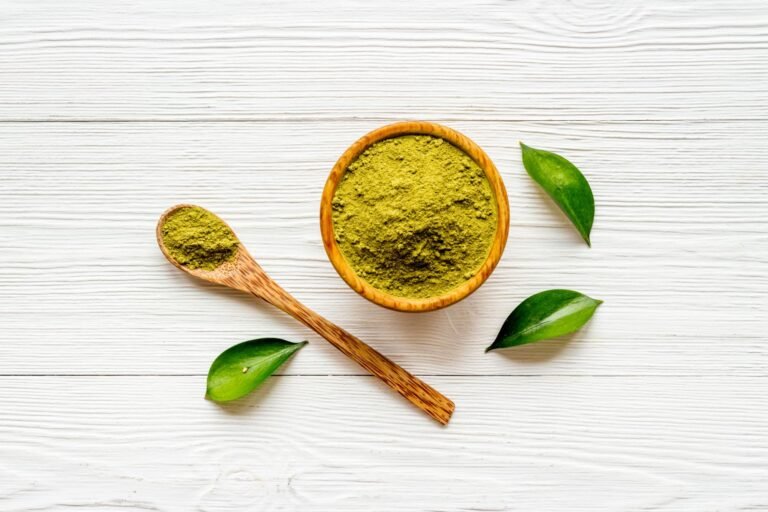
Henna powder is a natural dye made from dried leaves of the henna plant, used for body art, hair coloring, and medicinal purposes.
What does henna symbolize?
It represents happiness, protection, blessings, and celebration across cultures.
Can henna be used on all skin types?
Yes, natural henna is usually safe for most skin types, but a patch test is recommended.
How long does henna last?
Typically 1–3 weeks, depending on skin type and aftercare.
Is henna used for hair?
Yes, it is widely used as a natural hair dye and conditioner.
Conclusion
Henna powder is not just an art form—it is a living tradition that connects generations, cultures, and celebrations. Whether it’s a bride’s intricate mehndi in India, elegant patterns in the Middle East, or bold designs in Africa, henna continues to symbolize beauty, identity, and heritage across the globe.
As the world embraces natural and cultural practices, henna remains a timeless expression of both art and tradition.