If you’re looking for a gentle, chemical-free way to color your hair, henna might be exactly what you need. Used for centuries across cultures, henna is more than just a dye—it’s a natural treatment that strengthens, conditions, and adds shine to your hair.
In this guide, we’ll walk you through everything you need to know about henna as a natural hair dye, from benefits to application tips, in a simple and human-friendly way.
What Is Henna?
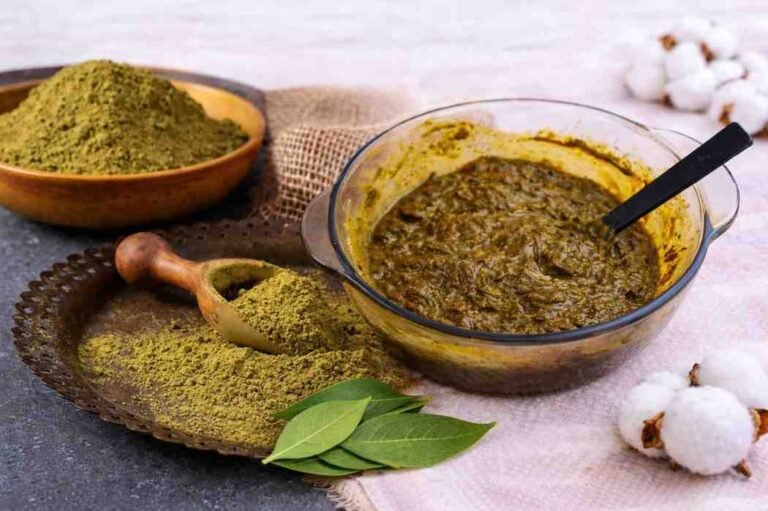
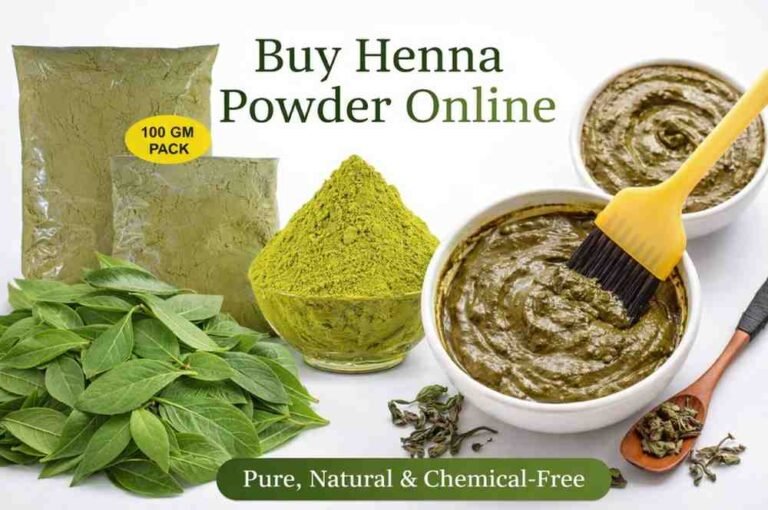
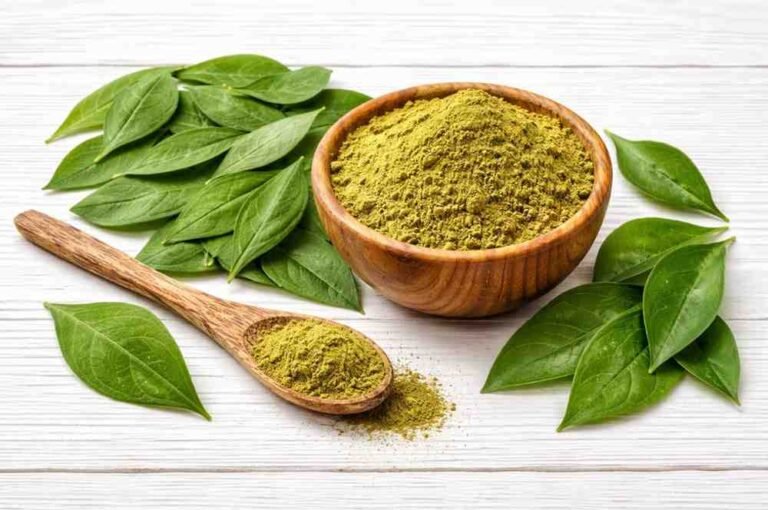
Henna is a plant-based dye made from the dried leaves of the Lawsonia inermis plant. When ground into a fine powder and mixed with liquid, it releases a natural pigment called lawsone that binds to hair proteins, creating a rich, long-lasting color.
Unlike synthetic dyes, henna doesn’t penetrate the hair shaft deeply or damage it—instead, it coats the hair, making it stronger and thicker over time.
Benefits of Using Henna for Hair
1. 100% Natural and Chemical-Free
Henna contains no ammonia, peroxide, or harsh chemicals. This makes it a safer option, especially for people with sensitive scalps.
2. Strengthens and Conditions Hair
Regular use of henna can improve hair texture, reduce breakage, and add natural shine.
3. Helps with Dandruff and Scalp Health
Henna has cooling and antimicrobial properties that can soothe the scalp and reduce dandruff.
4. Long-Lasting Color
Henna bonds naturally with hair, so the color fades gradually rather than washing out quickly.
What Color Does Henna Give?
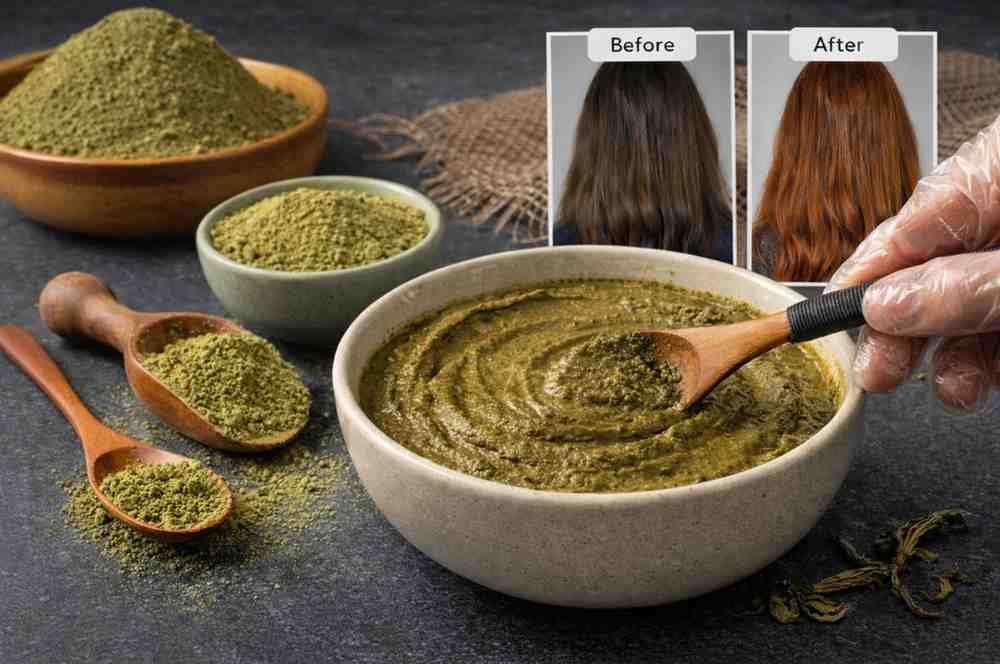
Pure henna typically gives a reddish-orange tone. However, the final color depends on your natural hair color:
- Light hair → Bright copper/red
- Brown hair → Auburn tones
- Dark hair → Subtle reddish highlights
You can also mix henna with other natural ingredients like indigo or amla to achieve darker shades.
How to Apply Henna to Hair
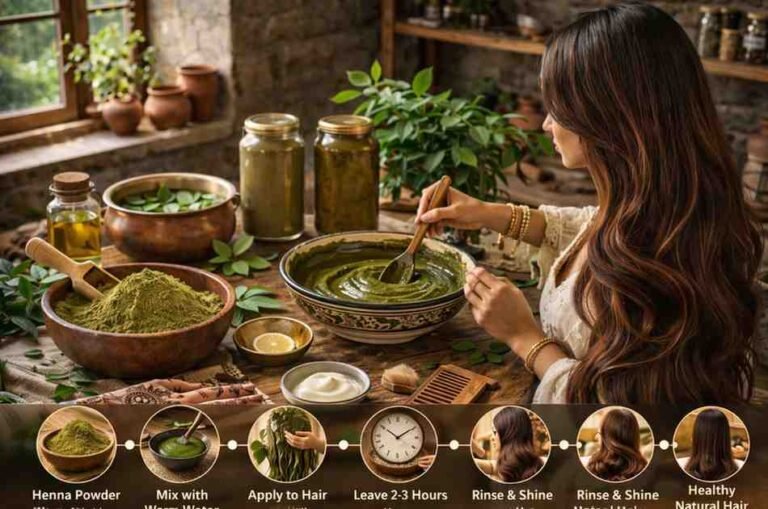
Here’s a simple step-by-step process:
Step 1: Prepare the Paste
Mix henna powder with warm water (or tea) to form a smooth paste. Let it sit for 6–8 hours for dye release.
Step 2: Apply to Clean Hair
Apply the paste evenly to clean, dry hair. Make sure every strand is coated.
Step 3: Leave It On
Let it sit for 2–4 hours depending on how intense you want the color.
Step 4: Rinse Thoroughly
Wash with water (avoid shampoo immediately). You can shampoo the next day.
Tips for Best Results
- Always do a patch test before full application
- Use gloves to avoid staining your hands
- Apply oil around your hairline to prevent skin staining
- Be patient—henna color deepens over 24–48 hours
Are There Any Downsides?
While henna is generally safe, there are a few things to consider:
- It can be messy to apply
- Results vary based on hair type and color
- It’s hard to remove or lighten once applied
- Some “black henna” products contain harmful additives—always choose pure henna
Is Henna Right for You?
Henna is ideal if you want:
- A natural alternative to chemical dyes
- Healthier, shinier hair
- Subtle, warm-toned color
However, if you frequently change hair colors or want very light shades, henna may not be the best option.
Final Thoughts
Henna is more than just a hair dye—it’s a natural beauty ritual that nourishes your hair while giving it a rich, earthy color. With proper use, it can transform dull, damaged hair into strong, shiny locks.
If you’re ready to embrace a more natural approach to hair care, henna is definitely worth trying.