If you’ve been searching for a natural way to color your hair without harsh chemicals, henna and indigo are probably already on your radar. They’ve been used for centuries, and when combined correctly, they can give you beautiful shades ranging from reddish brown to deep black.
But here’s the catch—getting the mix right is everything.
In this guide, I’ll walk you through the process in a simple, real-world way (no confusing jargon), so you can confidently color your hair at home.
Understanding Henna and Indigo
Before mixing anything, it helps to know what each ingredient actually does:
- Henna: Gives a natural reddish-orange tone and conditions the hair.
- Indigo: Adds darker tones—brown to black—but doesn’t stick well on its own.
That’s why henna is usually applied first—it creates a base for indigo to bind to.
What You’ll Need
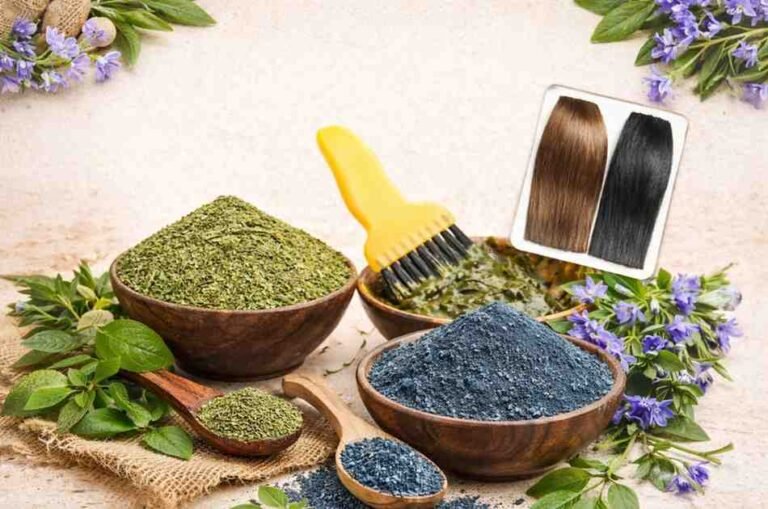
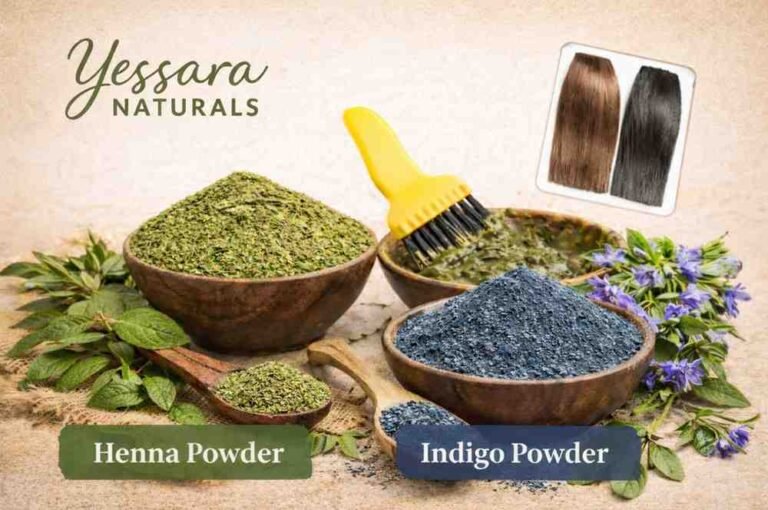
- Pure henna powder (body art quality preferred)
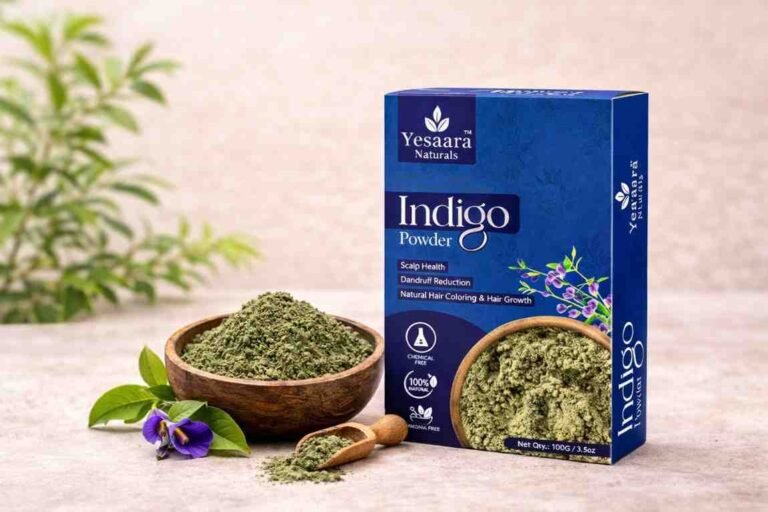
- Pure indigo powder
- Warm water
- A non-metallic bowl and spoon
- Gloves (trust me, you’ll need these)
- Old towel or cloth
Optional:
- A bit of lemon juice or yogurt (for henna release)
- A pinch of salt (helps indigo release better)
Step 1: Prepare the Henna Paste
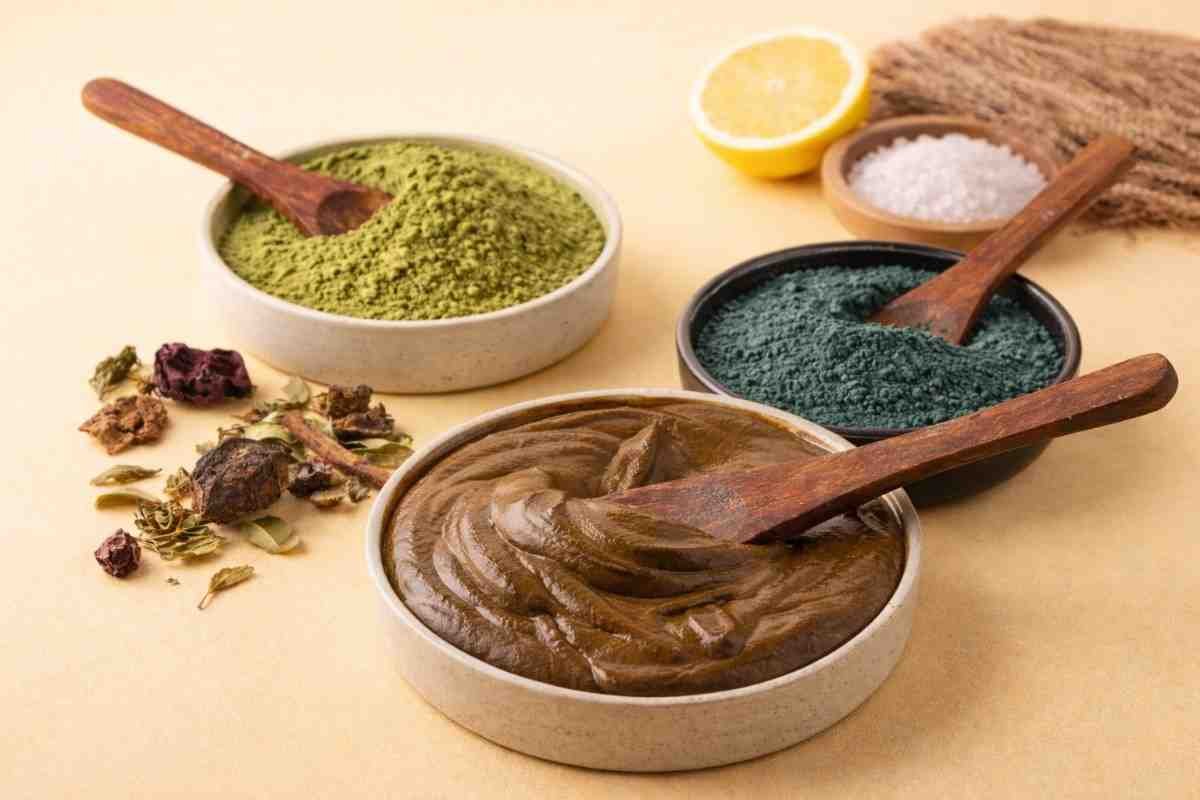
Start by mixing henna powder with warm water until you get a smooth, yogurt-like consistency.
You can add a few drops of lemon juice if you want better dye release, but keep it mild if you have a sensitive scalp.
Let this mixture sit for 6–8 hours (or overnight). This step is important—it allows the dye to release properly.
Step 2: Apply Henna
Apply the henna paste evenly to clean, dry hair. Make sure every strand is covered.
- Leave it on for 2–3 hours
- Rinse thoroughly with water (no shampoo yet)
At this stage, your hair might look orange—that’s normal. Don’t panic.
Step 3: Prepare Indigo Paste
Right after rinsing henna, mix indigo powder with warm water.
- Aim for a slightly thick paste
- Add a pinch of salt (optional but helpful)
- Use immediately (indigo loses potency quickly)
Step 4: Apply Indigo
Apply indigo paste over your henna-treated hair.
- Leave it on for 1–2 hours
- Rinse with water only
Avoid shampoo for the next 24–48 hours to let the color fully develop.
olor Results Based on Ratio
You can tweak the henna–indigo ratio depending on the shade you want:
- More henna (2:1) → Reddish brown
- Equal mix (1:1) → Medium brown
- More indigo (1:2) → Dark brown to black
For jet black hair, the two-step method (henna first, indigo second) works best.
Real Tips (From Experience)
- Always do a strand test first—results vary by hair type.
- Use fresh powders for best color payoff.
- Don’t skip the henna step if you want darker shades.
- Your final color deepens over 1–2 days, so be patient.
Common Mistakes to Avoid
- Mixing henna and indigo too early together (reduces effectiveness)
- Using metal bowls (can interfere with dye)
- Expecting instant black without layering
Final Thoughts
Switching to henna and indigo isn’t just about coloring your hair—it’s about treating it better. The process takes a bit more time than chemical dyes, but the results are worth it: healthier, shinier, naturally colored hair.
Once you get the hang of it, it becomes almost therapeutic—a self-care ritual rather than just another beauty task.